

Electric vehicles are becoming increasingly popular across the Greater Toronto Area (GTA), and with that growth comes the need for convenient and reliable home charging solutions. Installing an EV charger at home is no longer a luxury—it’s quickly becoming a necessity for homeowners who want efficiency, convenience, and long-term reliability.
This guide will walk you through everything you need to know about EV charger installation, including types of chargers, installation requirements, benefits, and what to expect during the process.
Understanding EV Charger Types
Before installing a charger, it’s important to understand the available options.
Level 1 Chargers
Level 1 chargers use a standard household outlet. While they are easy to use, they are significantly slower and may not be practical for daily use.
Level 2 Chargers
Level 2 chargers are the most popular choice for homeowners. They provide faster charging and are designed for regular use. However, they require professional installation and a dedicated electrical circuit.
Why Install an EV Charger at Home
Convenience
Charging your vehicle at home eliminates the need to visit public charging stations. You can simply plug in your car overnight and start each day with a full battery.
Faster Charging
With a professionally installed charger, your vehicle charges much faster compared to standard outlets.
Increased Property Value
Homes equipped with EV chargers are becoming more attractive to buyers, especially as electric vehicles become more common.
Future Readiness
Installing a charger ensures your home is prepared for future technology and evolving transportation trends.
Key Requirements for Installation
Installing an EV charger is not as simple as plugging in a device. Several factors need to be evaluated:
Electrical Panel Capacity
Your existing panel must be able to handle the additional load. If it cannot, an upgrade may be required.
Dedicated Circuit
A dedicated circuit is essential for safety and efficiency. This prevents overloading your system.
Location of Installation
The charger should be installed in a convenient and accessible location, such as a garage or driveway.
Permits and Regulations
Local electrical codes must be followed, and permits may be required before installation begins.
The Installation Process
1. Home Assessment
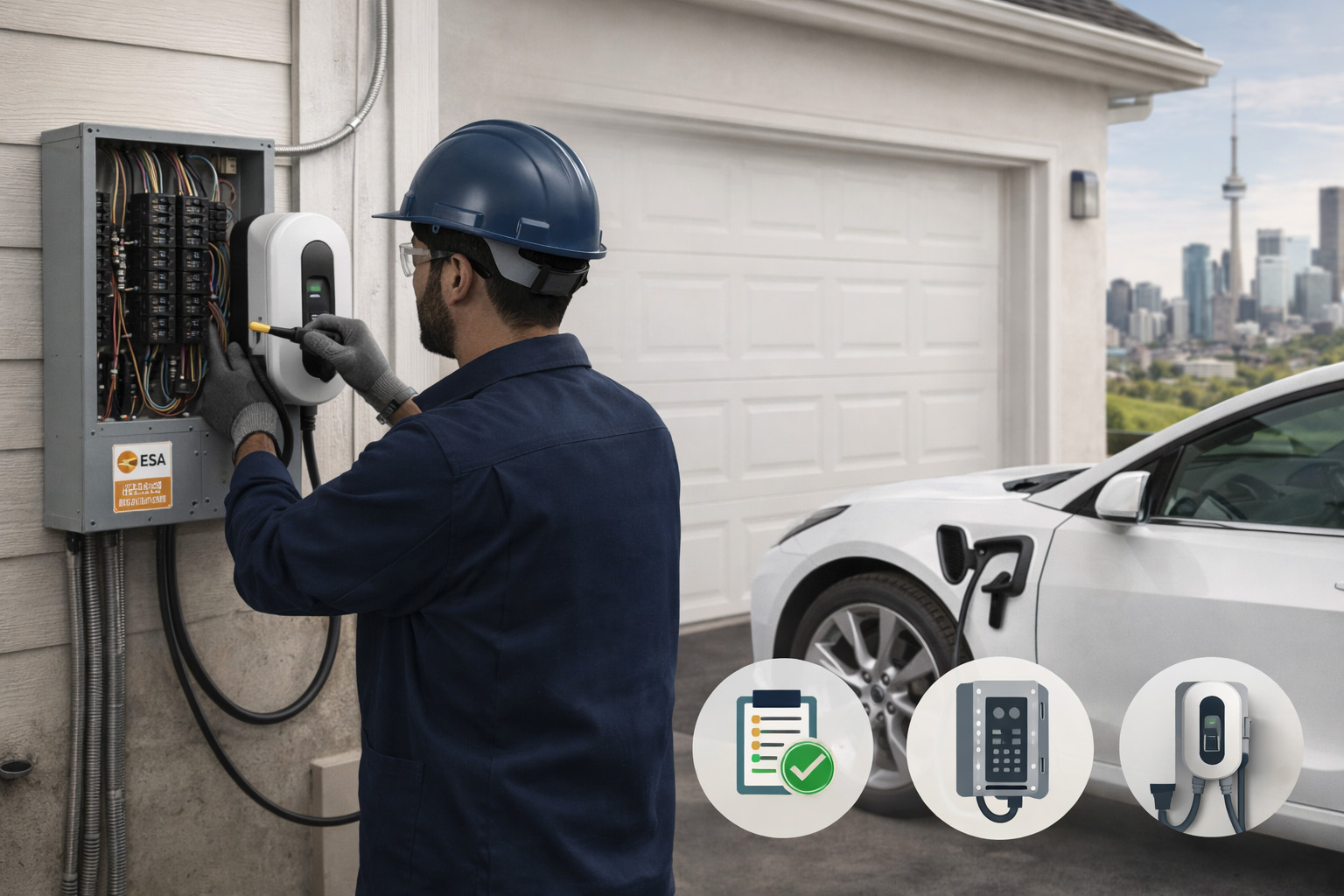
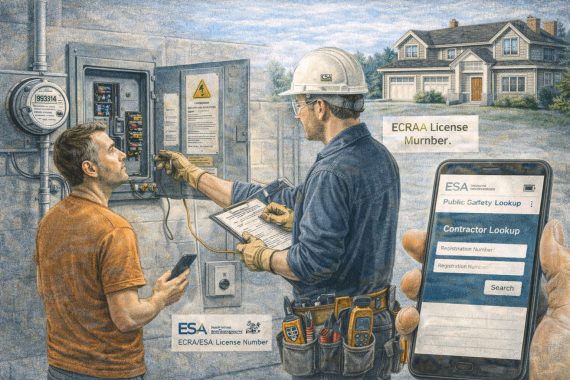
A licensed electrician evaluates your electrical system, panel capacity, and installation location.
2. System Design
Based on your needs, the electrician determines the best setup for your charger.
3. Installation
The charger is installed, wiring is completed, and connections are secured.
4. Testing
The system is tested to ensure proper functionality and safety.
Safety Considerations
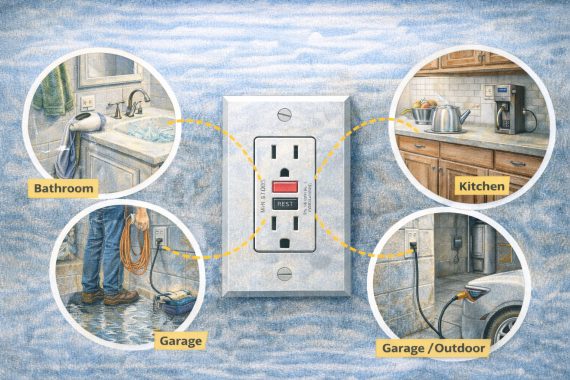
Safety is a critical factor when installing an EV charger. Improper installation can lead to overheating, electrical faults, or system failure.
A professional installation ensures:
- Proper wiring
- Safe load distribution
- Compliance with electrical codes
- Reliable long-term performance
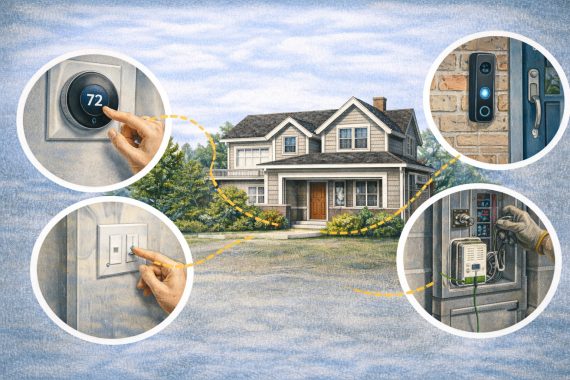
EV Chargers and Smart Homes
Modern EV chargers can integrate with smart home systems, allowing you to monitor and control charging remotely. Features may include scheduling, energy tracking, and automation.
This integration enhances efficiency and provides greater control over your energy usage.
Common Mistakes to Avoid
- Attempting DIY installation
- Ignoring panel capacity limitations
- Choosing the wrong charger type
- Skipping permits or inspections
Avoiding these mistakes ensures a smooth and safe installation process.
When Should You Install an EV Charger?
- After purchasing an electric vehicle
- During home renovations
- When upgrading your electrical system
- When planning for future vehicle upgrades
Conclusion
Installing an EV charger at home is a smart and forward-thinking decision for GTA homeowners. It offers convenience, efficiency, and long-term value while preparing your home for the future of transportation.
Working with a licensed electrician ensures the installation is safe, compliant, and optimized for your needs.